If you are considering HMO investment in London, it is essential to understand the term Article 4 Direction before making any financial commitment.
Failure to comply can result in enforcement action, fines up to £30,000, and rent repayment orders that may eliminate a year’s income. Compliance, however, allows you to operate in a market where limited supply increases both rents and property values.
Article 4 is often misunderstood within London’s property market. Many first-time HMO investors are unaware of its existence until after committing to a purchase, which can lead to costly consequences.
This guide outlines Article 4, its impact on HMO conversions in London, and how HMO Conversion Builders can assist you throughout the process.
How Article 4 Affects HMOs in London
The Basics: What Article 4 Actually Does
Under normal planning rules, you can convert a family home (Use Class C3) into a small HMO for three to six tenants (Use Class C4) without applying for planning permission. This is called “permitted development.”
An Article 4 Direction removes this permitted development right.
When a local council puts an Article 4 Direction in place, it means you must apply for full planning permission before converting any property into a small HMO. The council can then assess each application individually and decide whether to approve or refuse it.
Large HMOs with seven or more occupants (Sui Generis) have always required full planning permission. Article 4 specifically addresses smaller conversions that previously did not require council oversight.
Why Councils Introduce Article 4 for HMOs
Councils implement these directions to manage the concentration of HMOs in specific neighbourhoods. Excessive shared housing on a single street can lead to challenges with parking, waste, noise, and reduced availability of family homes. Article 4 provides councils with a mechanism to control growth.
The adoption of Article 4 Directions is increasing. As of early 2026, over 100 local authorities in England have implemented Article 4 Directions targeting HMO conversions. In London, requirements vary significantly between boroughs.
The London Borough Map: Three Categories
London boroughs can be grouped into three categories regarding Article 4 and HMOs:
| Category | Boroughs |
| Full Article 4 coverage | Hounslow, Barnet, Brent, Enfield, Newham, Barking & Dagenham, Havering, Bexley, Waltham Forest, Greenwich, Hillingdon (expanded borough-wide in Dec 2025) |
| Partial coverage | Ealing, Haringey, Southwark, Lewisham, Merton, Bromley — restrictions apply to specific wards or streets only |
| No HMO Article 4 | Camden, Islington, Hackney, Westminster, Lambeth, Kensington & Chelsea, Hammersmith & Fulham (though H&F voted in Feb 2026 to begin introducing one), Wandsworth, Sutton, and others |
This list changes frequently. Hillingdon expanded Article 4 borough-wide in December 2025. In February 2026, Hammersmith & Fulham’s Cabinet voted to begin the process of introducing Article 4. The trend is clear: more boroughs are implementing additional restrictions.
What This Means in Practice
If your property is located in a borough with full Article 4 coverage, you must submit a planning application for change of use from C3 to C4 before commencing any works or accepting tenants. The council will evaluate your application based on local policies, including the concentration of existing HMOs, room sizes, parking, waste storage, and your management plan.
This process increases both costs and timelines. Planning applications typically take eight to twelve weeks, with no guarantee of approval. However, in Article 4 areas, approved HMOs are more difficult to replicate, which limits competition and supports higher rents.
Planning Permission ≠ HMO Licence
These are two distinct legal requirements. Obtaining one does not grant the other. In Article 4 areas, you must comply with both before any tenants move in. Any HMO with five or more tenants requires a mandatory licence, and many boroughs require licences for smaller HMOs through additional schemes.
The Penalties for Getting It Wrong
The consequences are significant. The council may issue an enforcement notice requiring you to cease using the property as an HMO, resulting in loss of tenants and income. Operating an unlicensed HMO can lead to civil penalties of up to £30,000 per offence, criminal prosecution, and rent repayment orders for up to twelve months of income. Multiple penalties may apply to a single property.
How hmoconversionbuilders Can Help You
Navigating Article 4 Directions, planning applications, and licensing requirements across London’s 32 boroughs is complex. Each council has unique policies and expectations. Our team is here to assist you.
At hmoconversionbuilders, we specialise in guiding properties from initial assessment to fully compliant, income-generating HMOs. Our experience across multiple London boroughs ensures a thorough understanding of the planning landscape.
Pre-Purchase Due Diligence
Before you purchase a property, we confirm whether an Article 4 Direction applies, assess the likelihood of obtaining planning permission, and identify any other restrictions that may affect your conversion. This helps you avoid investing in a property that cannot legally become an HMO, a mistake that costs investors thousands each year.
Design and Planning Support
If planning permission is required, we design layouts that maximise rental potential while meeting council requirements for room sizes, fire safety, and amenities. We prepare all necessary drawings and documentation for a robust submission and understand the expectations of each borough’s officers. A well-prepared application is more likely to be approved promptly, reducing potential delays.
Compliant Conversion Works
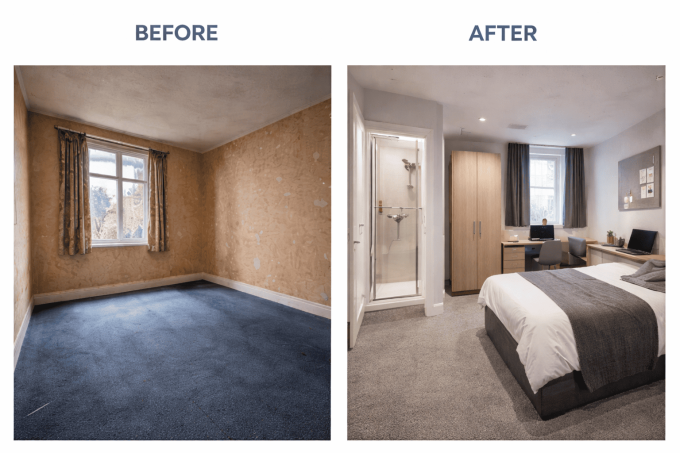
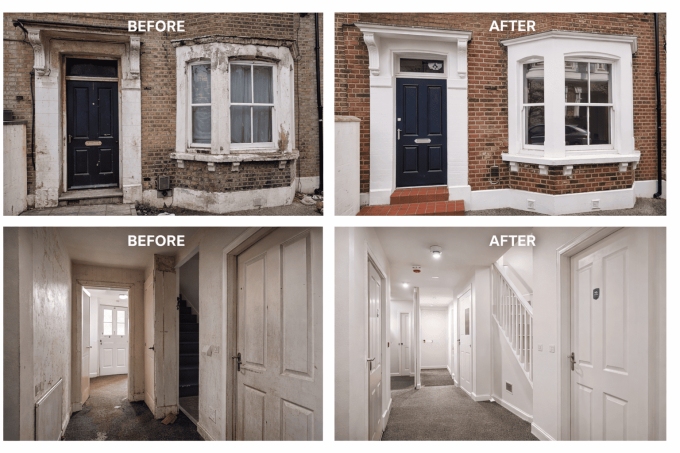
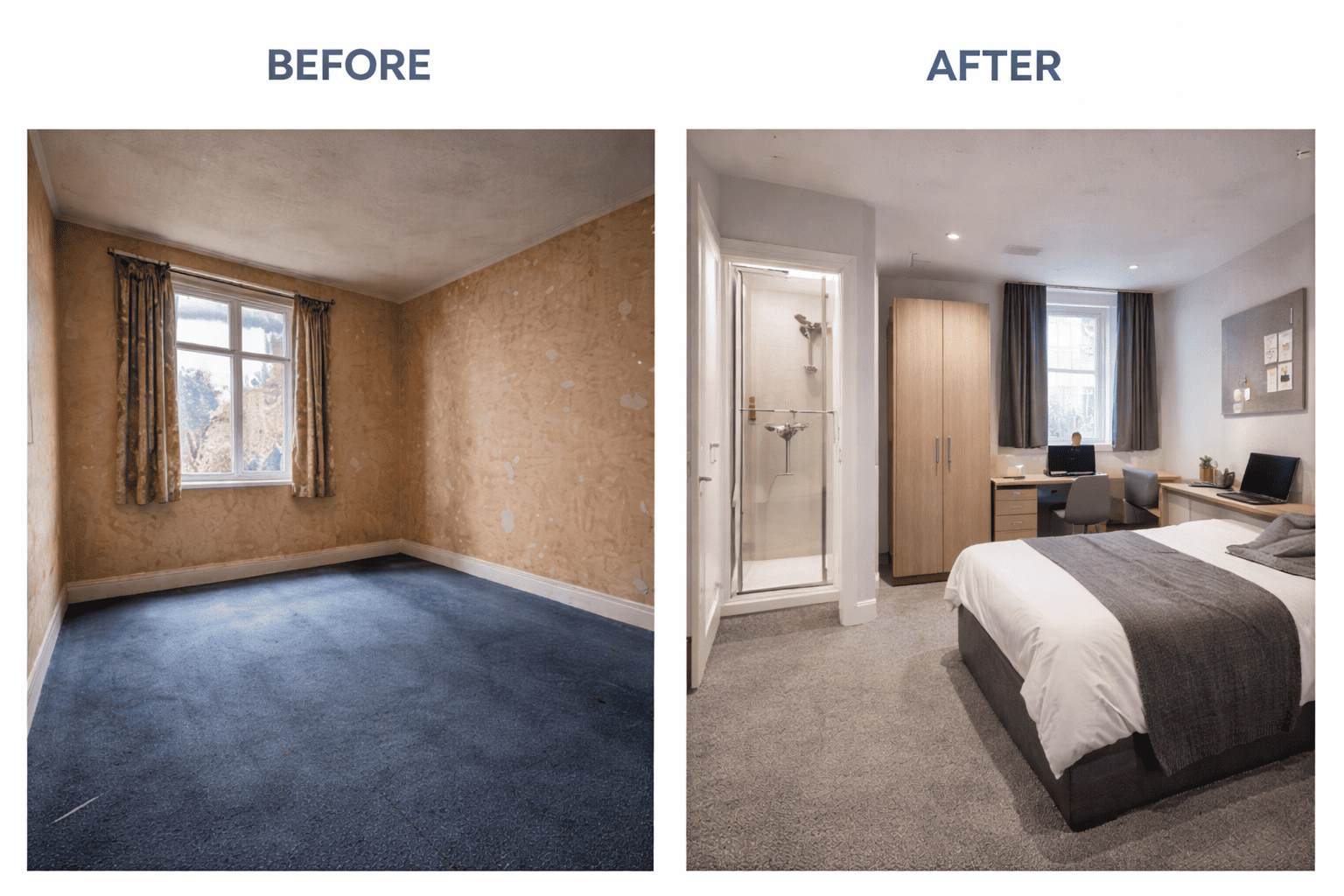
Once planning and licensing are secured, our experienced team manages the entire conversion process. Each project is constructed to HMO standards from the outset, including FD30 fire doors, interlinked alarm systems, emergency lighting, adequate kitchen and bathroom facilities, and compliant room sizes. Completing the work correctly the first time is more cost-effective than making adjustments later.
Licensing and Handover
We also guide you through the HMO licence application process, ensuring all safety certificates and documentation are in place before letting. Our goal is to deliver a fully compliant property that generates income from day one.
The Bottom Line
Article 4 remains a significant factor. Each year, more London boroughs introduce or expand these directions. Planning and compliance have never been more critical for HMO investment.
However, Article 4 can be advantageous if approached correctly. It creates a barrier to entry that protects the value of compliant HMOs. Landlords who comply benefit from limited competition and strong tenant demand.
If you are considering an HMO conversion in London, whether you are searching for a property or ready to begin, contact us first. At hmoconversionbuilders, we ensure your investment is secure both legally and structurally.
Contact us today to arrange a free, no-obligation consultation.